|
|
|
|
|
|
|
Global Conflicts Result in Two-Pronged Hardship for Farmers: Corn Prices Down, Fertilizer Prices Up |
|
|
|
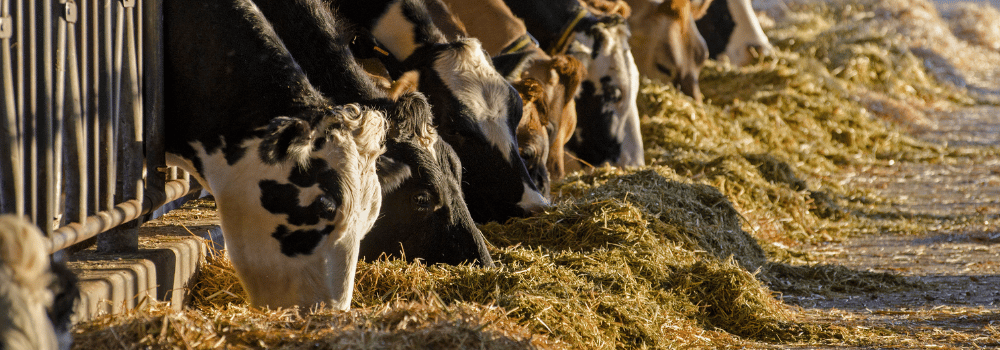
Unpredictable, international conflicts have had ripple effects in nearly every corner of life -- but farmers may have it the worst. According to StoneX Financial Inc., the current corn to fertilizer price ratio is some of the worst in history. Urea is currently at the third worst ratio in history; UAN, second worst in history; and phosphate, the worst ever in history. Superior Feed Ingredients estimates that farmers have only seen four days in the past year where corn prices were above breakeven. A huge contributor to this issue are the unpredictable international events barraging the fertilizer market. |
 |
|
These events include the U.S. bombing of Iranian nuclear sites, and chatter around the possibility of closing the Strait of Hormuz in the Middle East, a significant area for urea export. Russia is the top producer of urea around the globe, and they are currently engaged in an ongoing war with Ukraine. These conflicts are also causing nitrogen prices to soar. Meanwhile, China, who normally exports 8-10 million tons of phosphate each year, will only export 4 million tons this year. China also has many of the world's potash manufacturers, along with India -- both countries had to purchase material at high prices this year, setting the tone for the rest of the globe.
So what can growers do? “Keep your head up,” Linville, Vice President of Fertilizer at StoneX says. “I know when times get tough, it’s so easy to just want to stick your head in the sand and not pay attention to it, and hope that by the time you start to harvest, everything is improved but we miss opportunities that way. I understand how uncomfortable it is, but knowing what is going on around the world, why that matters for fertilizer prices, watching some of these relationships, there may be something that pops up for a day or two. That’s a great opportunity to price, but if we’re not paying attention, we’re not talking to our elevator and our supplier, how are we supposed to know it was there?” |
| SOURCE - READ MORE |
|
|
|
|
|
PERC Encouraging Farmers to Fill Propane Tanks Early to Secure Affordable Fuel and Reduce Risk |
 |
|
The Propane Education Resource Council (PERC) is urging farmers to fill up on propane well before harvest this year. Increased input costs, unpredictable weather, and fluctuating fuel prices can pose challenges for growers later in the year. Stocking up on fuel early can help your harvest go smoother and be more profitable this year, for a variety of reasons. For example, our Pre-Buy prices (available now through September 30) are the lowest we offer all year. |
| SIGN UP FOR PRE-BUY HERE |
|
Other perks of choosing to fill up your tanks early include a reduced risk of delayed delivery; the choice to lock in lower rates before demand spikes; helps prevent interruptions in supply and operation; and maximizes profit margins.
|
|
|
|
|
|
Efforts Increase to Support Farmer Mental Health |
|
|
|
The Delaware Farm Bureau (DFB) and the Delaware Department of Agriculture (DDA) have launched a joint initiative to raise awareness for mental health in the agriculture industry. Stickers featuring the suicide crisis line number (988) and the phrase "it's ok to ask for help" have been created to place in high-visibility areas across farms, equipment, supply stores, and more. |
|
|
|
|
|
|
|
Maryland's Concentrated Animal Feeding Operations (CAFO) Permit Expires with No Replacement in Sight |
|
|
|
|
|
The state of Maryland's 5 year Concentrated Animal Feeding Operations (CAFO) permit expired on July 7, 2025. The purpose of this permit is to regulate wastewater discharges from poultry farms. Because of the non-renewal, many in the industry have serious concerns that growers may be unable to build new or repair old poultry farms without an updated permit. The DCA and other groups have repeatedly asked the Maryland Department of the Environment for more information about permitting moving forward; they are still awaiting an answer. With approximately 1/3 of chicken houses on Delmarva aged 30+ years, replacements are desperately needed. MDE Spokesperson Jay Apperson says the permit expiration should not affect new farmers, “new poultry houses may be built under continuing coverage through the current permit pending the issuance of the new permit”. Their goal is to draft a renewal soon, which then must undergo federal review and public comment -- which could stretch the issue through the end of 2025. |
| READ MORE |
|
|
|
|
|
|
|
|
|
|
|
|
|
|
|
Farm Spotlight
Wilson Crabbing, Tilghman, Maryland |
|
|
|
|
|
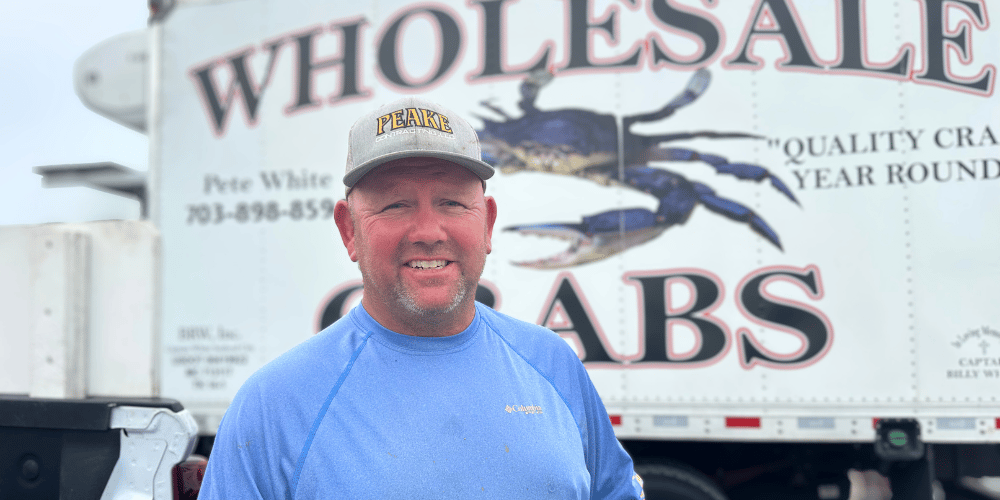
Normally, we spotlight traditional farms growing crops in the ground. This time, we've chosen another local industry that has similar needs and challenges: crabbing.
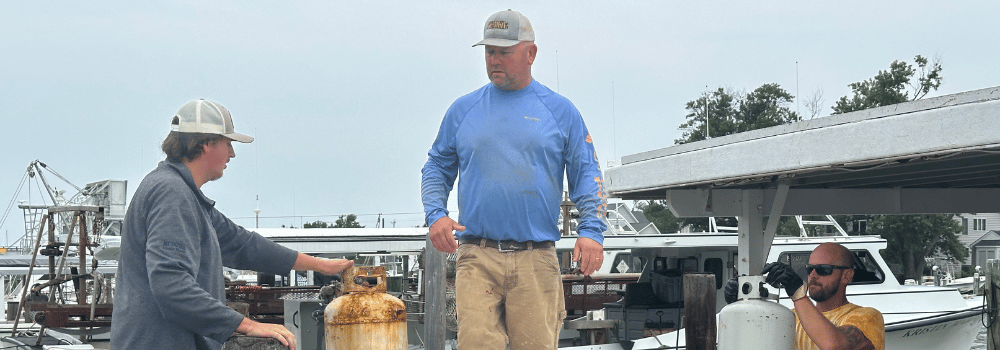
Out on the waters surrounding Tilghman Island, 5th generation waterman C.R. Wilson catches, on average, about 40 bushels of crab per day. A lot has changed since C.R.'s great great grandfather worked these waters -- back then, they had to wash pots by hand with a wire brush! Today, the process is much simpler thanks to agitating hot tanks (also known as caustic baths). Water is heated within the tank using propane, and the crab pots are placed inside for convenient cleaning of both debris and bacteria. |
|
|
|
|
|
The challenges C.R. faces in crabbing will sound familiar to our earth-bound farmers: prices, the market, and finding help. Hiring might be the most difficult factor, as most watermen leave the dock around 3 a.m. -- and it's hard to find other people willing to wake up and get to work that early. However, C.R. says all of the struggles are worth it to watch the sunrise on the water each morning -- and to be his own boss, with all the freedom that entails. His advice for new watermen is to work hard, keep a positive attitude, and most importantly: stay consistent. As long as you keep going, eventually, the ends will meet and everything works out. |
|
|
|
|
|
C.R. and the Wilson family, thank you for taking the time to connect with us. We are grateful you have allowed us to learn and share the history of your family business.
Thank you for being a loyal PepUp customer! |
|
|
|
|
|
KEEP UP WITH THE TRI GAS FAMILY OF COMPANIES ON SOCIAL MEDIA! |
|
|
|
|
|
|
|
|