|
|
|
|
|
|
|
Succession Plans: Death, Taxes, and Your Farm |
|
|
|
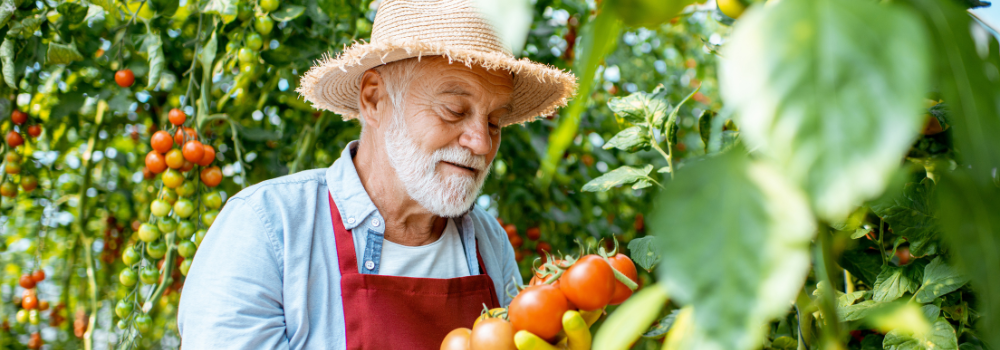
Discussions around death and money are often uncomfortable. However, it's a necessary effort and one of the best methods of future-proofing for generational family farms. With the passing of the One Big Beautiful Bill Act, the unified credit limit has been increased to $15 million per individual starting in 2026 -- meaning that those inheriting farms worth less than that figure will not have to pay federal estate taxes. Anything over the unified credit limit is taxed at 40%, which could be a hefty ask for family farms that are generally asset rich but cash poor. The increase in unified credit limit is certainly a help to farmers looking to pass down their legacy and estate; but there is more you can do to protect your legacy and make the succession process smoother for your heirs. |
 |
|
|
|
In the event the farm's primary operator is incapacitated or passes away suddenly, does anyone else know how to keep the farm viable? Is there a will prepared? Does the family have an understanding of estate tax law? Ignoring the uncomfortable questions doesn't make anything go away; it just puts off the issue longer, and can create unnecessary complexities for the next generation. Now is a great time to prepare successors, both operationally and financially. It's also an opportune time to speak with attorneys and accountants to get all of that paperwork in order.
Succession plans aren't macabre; they're practical, wise, and greatly appreciated by the next in line. |
| SOURCE - READ MORE |
|
|
|
|
|
DALPF Preserves Another 36 Properties,
2,800 Acres of Farmland |
|
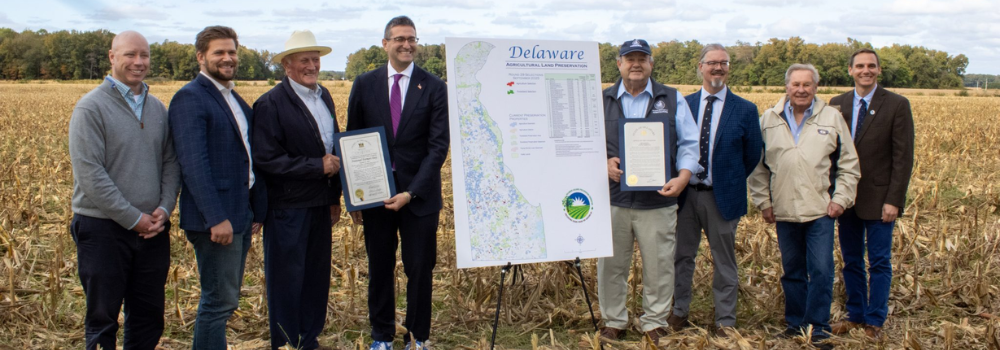
The Delaware Agricultural Lands Preservation Foundation announced that in 2025, it will protect 36 farms totaling more than 2,800 acres across the state. The preservation effort costs about $14.9 million and helps keep farmland from being developed for non-agricultural use. Since the program began in the 1990s, Delaware has permanently protected over 160,000 acres of farmland; more than 1,250 farms statewide. Governor Matt Meyer and other officials celebrated the announcement at the historic Oliphant Farm in Laurel, which has been in the same family for five generations. The event also tied in with National Farmers Day (Oct. 12). |
 |
|
The program works by buying development rights from landowners who volunteer to preserve their farms. The farmers keep ownership and can keep farming, but the land can never be turned into housing or commercial developments. This year’s preserved farms are located in Sussex, Kent, and New Castle counties, with local governments helping fund the easements. Sussex County made the largest contribution. Officials encouraged farmers to consider enrolling their land soon, since rising farmland values mean higher payments for easements than in past years.
To qualify, farms must:
-
Be zoned for agriculture
-
Produce at least $1,000 in farm sales a year
-
Have at least 10 acres of cropland
-
Meet certain soil and land quality standards
Applications for the next round are due October 31, 2026. Farmers can learn more at de.gov/aglands or by calling the Delaware Department of Agriculture at 302-698-4531. |
| SOURCE - READ MORE |
|
|
|
|
|
Luke Bryan's Farm Tour Donates 10 Million Meals, Raises Awareness for Farm Culture |
|
|
|
Country star Luke Bryan, the son of a peanut farmer, stays closely connected to his rural roots and uses his success to support farm communities. His Farm Tour brings concerts to small towns across America, celebrating rural life and giving back through his 10-year partnership with Bayer and Feeding America. Together, they’ve donated over 10 million meals to families in need and continue to raise awareness about farmers’ challenges. |
|
|
|
Bryan says his farming background taught him hard work, family values, and integrity; lessons he carries into his music and career. Fans enjoy being able to connect with his down-to-earth stories about growing up on a farm, and he hopes his shows remind people to appreciate and support America’s farmers. |
| SOURCE - READ MORE |
|
|
|
|
|
USDA May Close BARC's Doors Forever |
|
|
|
|
|
The Beltsville Agricultural Research Center (BARC) in Beltsville, Maryland, one of America’s biggest and oldest farm science labs, is at risk of being closed by the USDA. Founded in 1910 and expanded during the 1930s, BARC has been nick-named the “crown jewel” of U.S. agricultural research, credited with major discoveries like the Roma tomato and the commercial Thanksgiving turkey. It now covers 6,500 acres and employs hundreds of scientists studying bees, livestock diseases, nutrition, and genetics.
The USDA claims that the closure would save money, since updating the aging site would cost $500 million, plus $40 million a year to maintain and operate. But critics warn that shutting it down would destroy decades of research and drive top scientists away from the area. Local and state officials in Maryland are fighting to save the lab, arguing it’s vital for U.S. agriculture and protected by laws that restrict the land to farm use. Meanwhile, staff say they’ve received little information about the plan and fear retaliation for speaking out. Supporters of the research center have rallied under the slogan “Save Our Farm”, urging the government to preserve BARC’s legacy instead of selling off its land to developers. |
| SOURCE - READ MORE |
|
|
|
|
|
Education Opportunity by the Beach |
|
|
 |
|
Sharpen your crop management skills by the beach next month! Join the Mid-Atlantic Crop Management School on November 18–20, 2025, at the Princess Royale Oceanfront Resort in Ocean City, MD.
You'll spend 2½ days learning the latest in soil health, pest control, nutrient management, and crop production; all while earning CCA (Certified Crop Advisor), pesticide, and nutrient management credits. You’ll get to build your own schedule, network with ag pros, and swap insights with others in the field. Enjoy sessions, meals, and special events like a Tuesday happy hour and the CCA reception on Wednesday night. This learning opportunity is ideal for farmers, crop consultants, agronomists, ag educators, and anyone serious about growing better crops and managing smarter.
Book your hotel by October 28, 2025 to get the group rate.
|
|
|
|
|
|
|
|
Farm Spotlight
Harris Farms, Hurlock, Maryland |
|
|
|
|
|
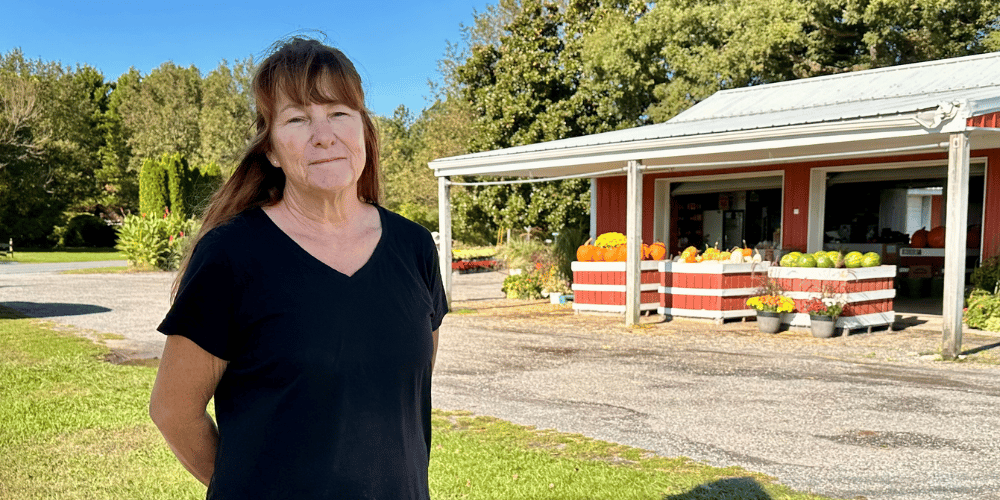
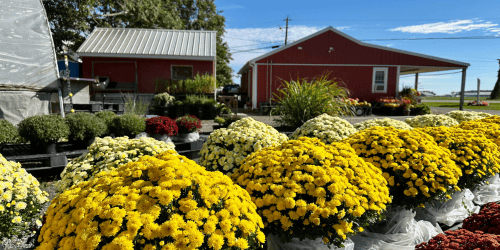
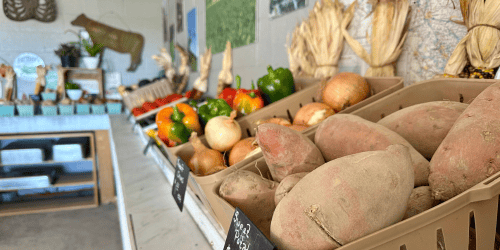
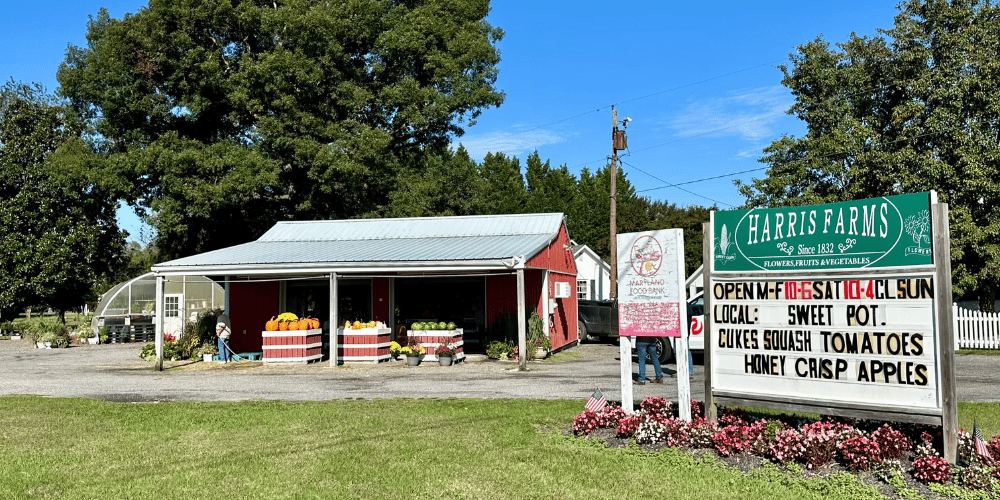
On the corner of Cabin Creek Road and US-16 in Hurlock, Maryland, there is a farm market much like the others on Delmarva. However, this one is special; not only to Julie and Steve Harris, but because it's one of the area's earliest farms. Originally purchased in 1832, the Harris farm has been owned and operated by the Harris family for 7 generations (so far). Back in the early 1900s, Steve's great-grandfather and grandfather kick-started the chicken industry on Delmarva, taking a ferry to Baltimore to sell and process meat. In the 1970's, Steve's father transitioned the farm from poultry into growing tomatoes, sweet corn, and green beans for canneries in Hanover. Once Steve met Julie in their younger years, the couple decided to start selling their produce at farm markets and roadside stands. Harris Farm Market has been selling at the Easton Farmer's Market for over 30 years now, and they've expanded to several other stands and markets as well: Cambridge, Centreville, and Piney Orchard, to name a few. |
|
|
|
|
|
Besides produce, Harris Farms also supplies flowers for big box retail stores like Home Depot. Plus, the farm produces red angus cattle; if you purchase meat from their freezer, you'll see the name of the cow it came from printed on the package. Julie shared that right now, that kind of education can be the biggest struggle with farming -- most people are completely unaware of all the hard work that goes into feeding our communities. Her advice for new farmers is to never give up, and more importantly: learn how to get comfortable pivoting. In farming, no plans are guaranteed, and being able to adjust and roll with the punches is crucial to success in the industry. Despite the challenges, the Harrises continue to plant, harvest, and share the fruits of their labor, keeping local traditions alive and reminding us all where our food truly comes from. |
|
|
|
|
|
|
|
Julie, Steve, and the Harris family, thank you for taking the time to connect with us. We are grateful you have allowed us to learn and share the history of your family farm.
Thank you for being a loyal PepUp customer! |
|
|
|
|
|
KEEP UP WITH THE TRI GAS FAMILY OF COMPANIES ON SOCIAL MEDIA! |
|
|
|
|
|
|
|
|