|
|
|
|
|
|
|
Profitability Top of Mind for Farmers in 2026 |
|
|
|
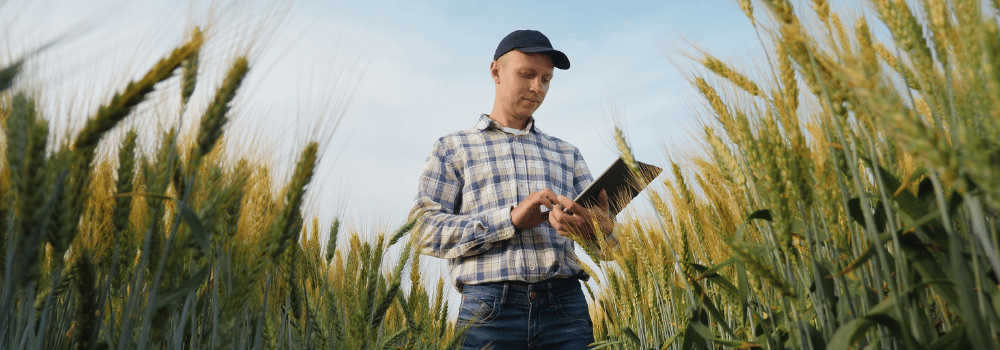
As the 2026 growing season gets underway, farm profitability has become the number one concern for agricultural producers across Delmarva and nationwide. After years of declining commodity prices and stubbornly high input costs, farmers are looking for ways to protect their bottom line. Recent polling shows more than 55% of farmers say improving profitability is their major focus for 2026. It's not hard to see why. Corn prices have dropped from over $7 per bushel in 2022 to around $4 today. Soybeans have fallen from $15 to below $10 per bushel. Meanwhile, the costs to grow those crops (fertilizer, fuel, equipment, and labor) remain elevated. For many Delmarva farmers, this means facing their third or fourth consecutive year of tight margins or negative returns.
Agricultural economists point to several factors creating this cost-price squeeze:
-
Input costs remain high. Fertilizer prices, while down from their peak, are still significantly higher than pre-2020 levels. Labor costs continue to rise as skilled workers become harder to find.
-
Interest rates are adding pressure. Higher borrowing costs for operating loans and equipment purchases are eating into farm budgets. Interest payments are expected to reach over 7% of total farm costs in 2025.
-
Commodity prices haven't recovered. Strong yields help, but they can't offset the gap between what it costs to grow crops and what markets are paying.
|
|
|
|
|
|
Despite these challenges, farmers are adapting with practical strategies:
-
Know your numbers. Understanding your breakeven costs field-by-field helps you make informed decisions about what to plant, where to rent, and when to sell.
-
Control what you can control. Review fixed costs like equipment, land rent, and insurance. Small adjustments in these areas can make a real difference when margins are thin.
-
Leverage technology wisely. Precision ag tools that optimize fertilizer and seed application can improve returns, especially when input costs are high.
-
Manage risk proactively. Forward contracting, futures, and options can help reduce price volatility and protect against further commodity price drops.
-
Maintain equipment longer. When cash is tight, extending the life of machinery through proper maintenance can delay costly replacements.
Most agricultural economists say the farm economy has stabilized but hasn't rebounded. Without relief in input costs or stronger commodity prices, 2026 will require careful management and smart planning.
The good news? Delmarva farmers are some of the most resilient and resourceful in the country. And, as a PepUp customer, you've got reliable supply, decades of agricultural fueling experience, and flexible payment options on your side. By focusing on profitability, controlling costs, and making data-driven decisions, Delmarva's farms can weather this challenging period and position themselves for better years ahead.
|
|
|
|
|
|
|
|
Chesapeake Bay Scallops Returning to ESVA
Thanks to Marine Researchers |
|
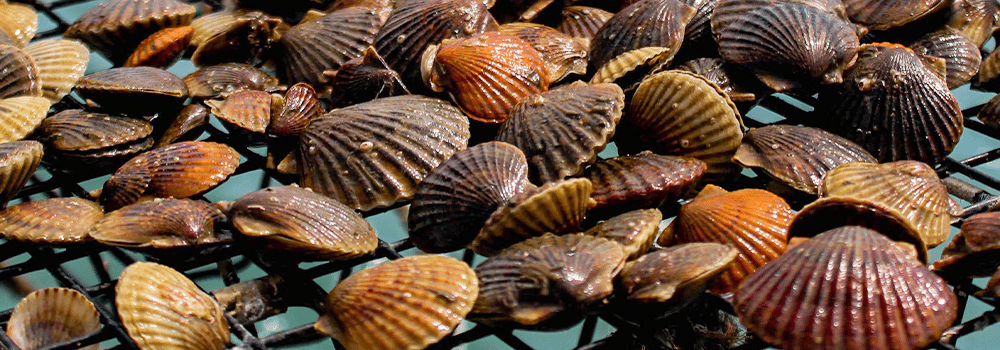
Good news for Eastern Shore aquaculture: bay scallops are making an unprecedented comeback in Virginia's coastal bays after being locally extinct for nearly 90 years! Thanks to restoration work by William & Mary's VIMS Eastern Shore Laboratory in Wachapreague, scallop populations are now growing exponentially in restored eelgrass beds, with researchers documenting densities that match Florida's thresholds for a stable, harvestable population. The 2025 survey shows the population could double in less than 1.5 years. |
 |
|
This restoration success is built on years of dedicated hatchery work, careful genetic management, and optimal growing conditions -- and has caught the attention of the local aquaculture community. Bay scallops are short-lived (~1.5 years) and require intensive daily care during their nursery phase, but they're proving to be a feasible commercial product for Virginia growers. While a moratorium on wild harvest remains in place, VIMS researchers are working with the Virginia Marine Resources Commission to establish sustainable harvest rules modeled after successful programs in Florida, North Carolina, and New England. For aquaculture operators interested in diversifying their operations, this win may one day lead to Virginians being able to harvest and enjoy local bay scallops once again. |
| SOURCE - READ MORE |
|
|
|
|
|
Technological Improvements to Consider in 2026 |
|
|
|
As mentioned above, "profitability" is the word of the year for farmers going into 2026. One way to help improve that metric is by investing in modern, innovative technology. Our top picks to consider can help improve your bottom line and streamline your farm management: |
|
|
|
|
|
1. Drones
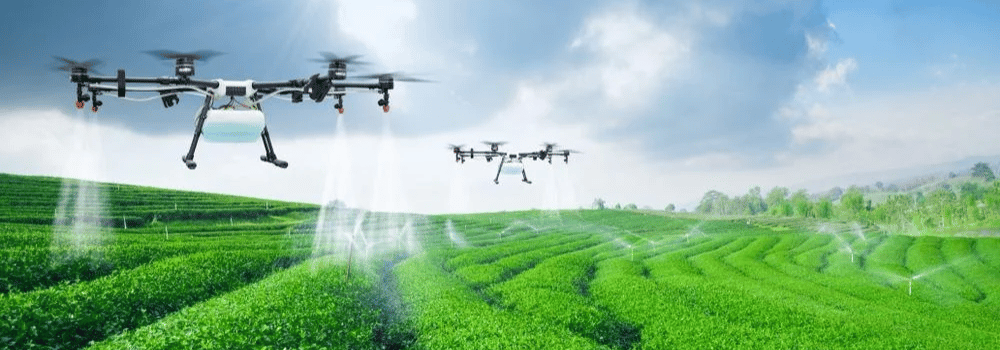
There are many drones on the market with a variety of specialties. Depending on the model you invest in, a drone can be used to:
-
Monitor and scout acreage and livestock
-
Precision spraying of pesticides, fertilizer, or seeds
-
Mapping for irrigation and drainage
-
Farm security
-
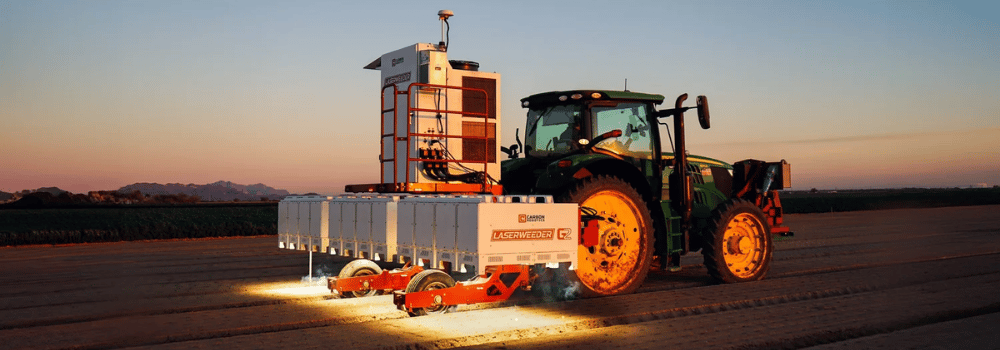
Remove weeds via targeted laser
2. Autonomous Equipment
Automated equipment can complete farm tasks without human supervision. It uses GPS and AI to perform tasks like tilling, harvesting, planting, fruit picking, packing, and more. With labor shortages continuing to affect farms nationwide, we expect to see autonomous equipment become a very popular choice in the near future.
3. IoT Sensors
In agriculture, IoT sensors can collect real-time data on soil moisture, nutrients, pH, temperature, humidity, and weather. That level of data coming without a delay allows farmers to optimize their resources and better predict yields. Many IoT sensors can also detect weeds, identify plant disease, detect fruit ripeness, and reduce water usage. |
|
|
|
|
|
Industry experts are clear: 2026 will be another year of tight margins. Leveraging technology can help farmers minimize their operating costs and maximize their profits. |
|
|
|
|
|
|
|
|
|
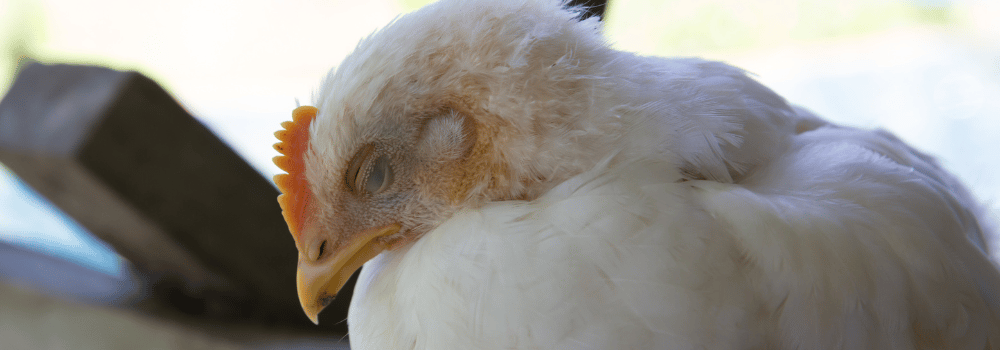
In the past 30 days, the U.S. has seen 64 poultry flocks nationwide test positive for HPAI. Of these, 19 were commercial; 45 were backyard; and about 1.44 million birds have been affected in total. The good news for Delmarva poultry farmers is that a majority of those cases are coming out of Minnesota and Kansas. Maryland and Delaware have both only had one case each in the past 30 days, showing signs that HPAI might be easing up, at least locally, for the time being.
Nonetheless, the Department of Agriculture strongly recommends that all poultry producers move their flocks indoors and maintain confinement until the risk associated with outdoor access can be reassessed. Producers who observe black vultures or wild waterfowl near their flocks should also keep their birds indoors. Any sightings of dead black vultures or wild waterfowl should be promptly reported to the Department of Natural Resources or USDA Wildlife Services. All producers are urged to maintain strict biosecurity practices, monitor flock health closely, and report any unexplained illness or mortality immediately. |
|
|
|
|
|
|
|
|
|
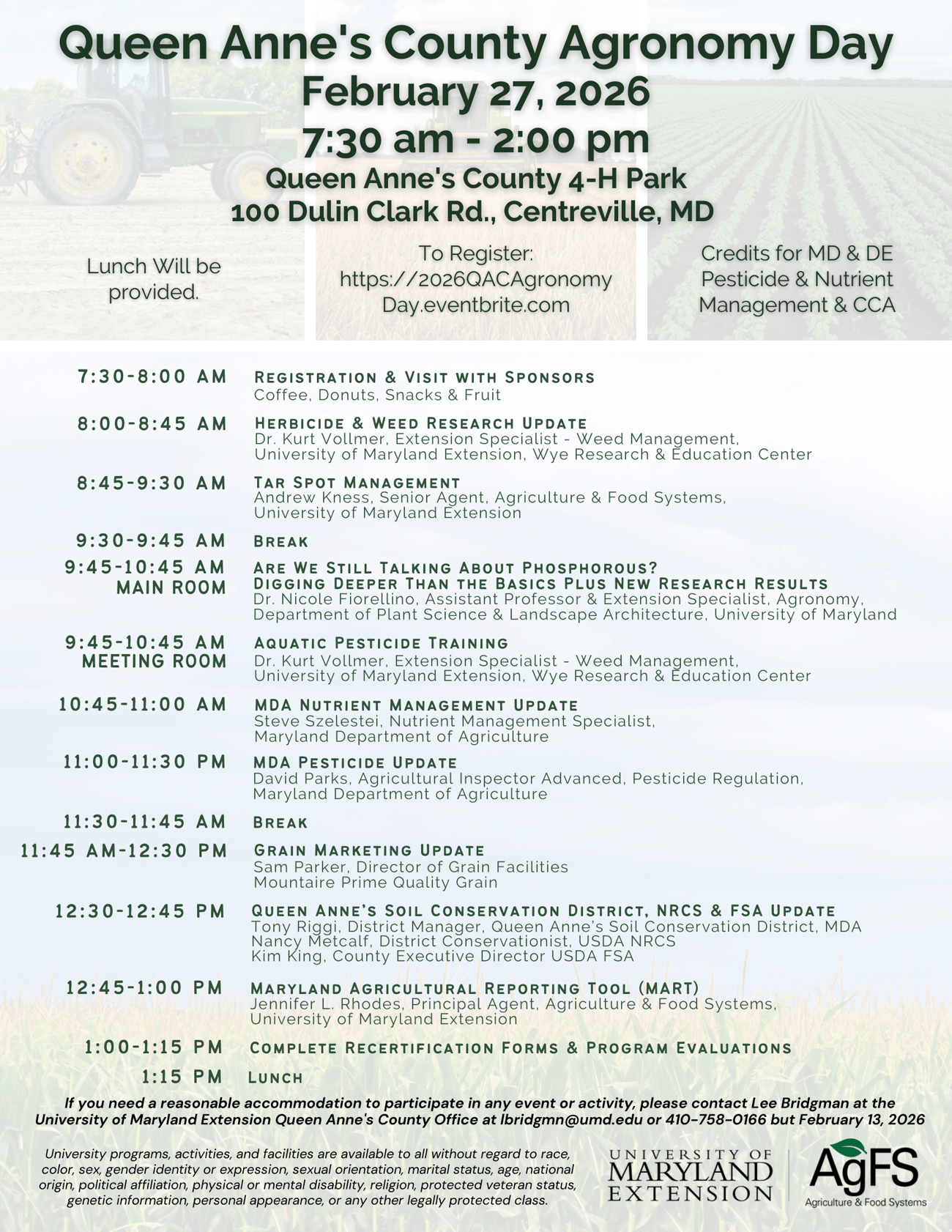
Agronomy Day in Queen Anne's County |
|
|
|
|
|
|
|
|
|
Farm Spotlight
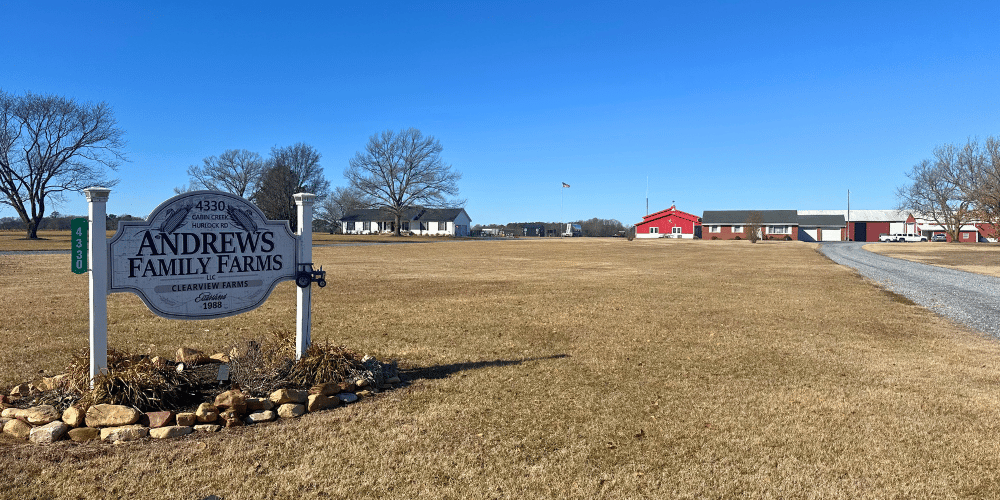
Andrews Family Farms, Hurlock, Maryland |
|
|
|
|
|
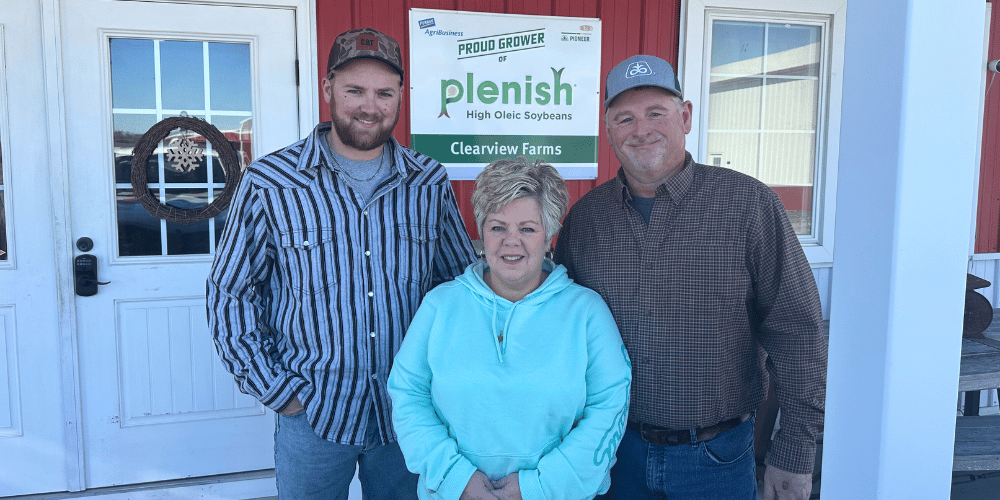
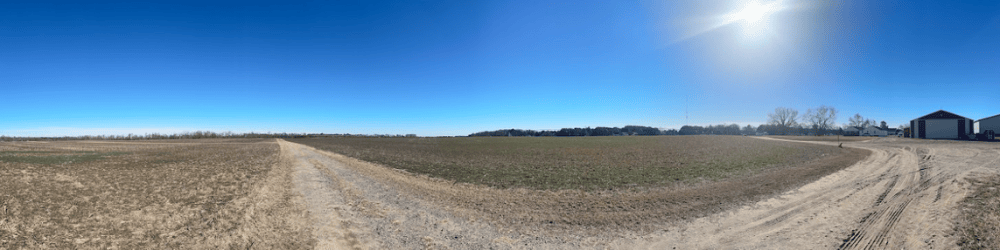
In Hurlock, Maryland, Ronnie Andrews is carrying on a tradition that started with his grandfather: growing corn, soybeans, and wheat on Andrews Family Farms. As a third-generation farmer, Ronnie has a clear favorite crop: corn. While it yields a large amount come harvest, the high input costs can make it a unique challenge. Like many farmers across Delmarva, Ronnie is navigating a tough economic climate and low pricing on many types of crops. Trade tensions and market uncertainty have taken a toll on farms nationwide. However, local farmers have one advantage their Midwest counterparts don't: the local chicken industry. "If it weren't for the poultry industry on Delmarva, we'd be a lot worse off," Ronnie says. Even so, turning a profit is increasingly difficult. |
|
|
|
|
|
Beyond market challenges, Ronnie notes that ever-changing laws and government regulations present ongoing obstacles. Despite these difficulties, he finds deep satisfaction in the work itself: growing things, watching seeds transform into plants, and starting each day in the peaceful quiet of early morning. His wife and both his sons are involved in the farm business, with the 5th generation of Andrews just starting to crawl. When asked about his most memorable moments on the farm, Ronnie doesn't hesitate: it's all about family. His grandfather, who got it all started; his father, who grew the business; and his sons, now working alongside him. Watching these generations work together has been the greatest reward. Looking ahead, Ronnie's focus is on keeping the farm viable for the generations to come. He's keenly aware that his grandparents' and parents' hard work gave him an advantageous start in life, and he's determined to provide the same foundation for those who follow. |
|
|
|
|
|
Ronnie and the Andrews family, thank you for taking the time to connect with us. We are grateful you have allowed us to learn and share the history of your family farm.
Thank you for being a loyal PepUp customer! |
|
|
|
|
|
KEEP UP WITH THE TRI GAS FAMILY OF COMPANIES ON SOCIAL MEDIA! |
|
|
|
|
|
|
|
|