|
|
|
|
|
|
|
Saltwater Intrusion on Eastern Shore Farms |
|
|
|
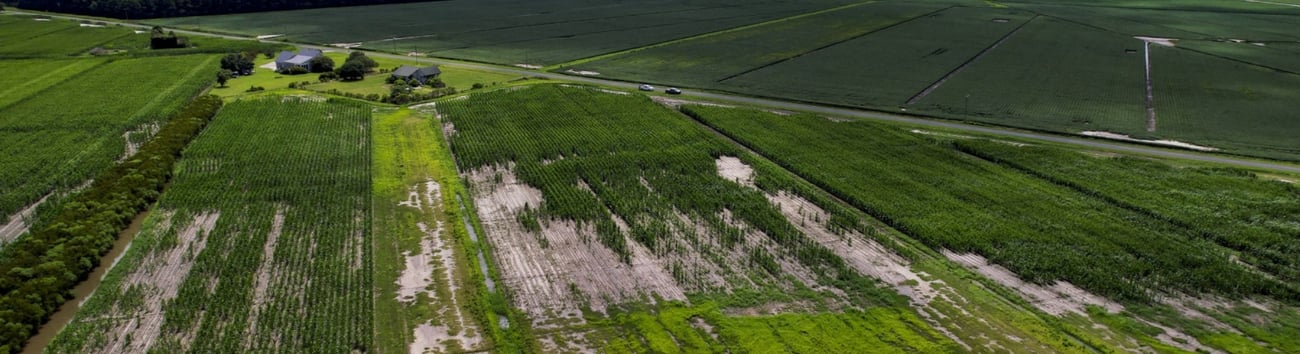
Have you experienced trouble with dead, salty patches of land? You're not alone. Farms across the shore have been experiencing salt in the land due to rising ocean water -- and it wreaks havoc on crops.
Dr. Kate Tully, an associate professor of agroecology, describes saltwater intrusion as a silent flood. The extent of the damage is not yet known -- but the problem seems to get worse with each passing year. A study co-authored by Tully found that between 2011 and 2017, the amount of visible salt patches almost doubled. There are more than 20,000 acres of farmlands converting to salt marsh lands on Delmarva. |
|
|
|
|
|
Strategies to combat this problem are currently being explored. Farmers have tested out salt-resistant crops, plants that can absorb the salt, or installing a strip of dedicated marsh on farms. As we continue losing land to sea level rise, solutions like these will become more and more crucial to producing a solid crop output. |
| Read More |
|
|
|
|
|
|
|
The Delaware Farm Bureau's Promotion and Education Committee is regrouping with farmers before spring truly sets in. The Annual Ag Safety Conference aims to educate them on topics ranging from farmer health to hazards on farms. This year, it will be held Wednesday, March 22 from 8:30 a.m. to 2 p.m. at Loblolly Acres located at 3893 Turkey Point Road, Viola, DE 19979. It is free and open to anyone looking to learn about farm safety! Presentations will include:
-
Hay Bale Safety with Jules Hendrix of Crow Insurance Agency and Nationwide
-
"Tick Talk" with Dr. Ashley Kennedy of DNREC
-
Water Quality and the Effects on Pesticide Performance with Dr. Kerry Richards of University of Delaware (one pesticide credit included!)
-
Being Safe & Smart around Moving Equipment and Parts with DEFB Executive Director Don Clifton
|
| Register Here |
|
|
|
|
|
Eastern Shore Farmers Get $1 Million |
|
|
|
Federal funds have been allocated for local agricultural producers to receive resources and services to develop their business. The U.S. Department of Agriculture Innovation Center provided the funds to support the Eastern Shore Entrepreneurship Center in operating the Chesapeake Agriculture Innovation Center. |
|
|
|
|
|
Maryland Senators Chris Van Hollen and Ben Cardin secured the funds as part of the appropriations package in 2023, supporting the Farm to Freezer Project. This helps bring produce to a wider market and supports the Maryland Food Bank. The investment will help sustain local family farming, giving smaller agriculture businesses the opportunity to expand to larger markets. |
|
|
|
|
|
|
|
|
|
Denny's 5th Talbot Corn Club Victory |
|
|
 |
|
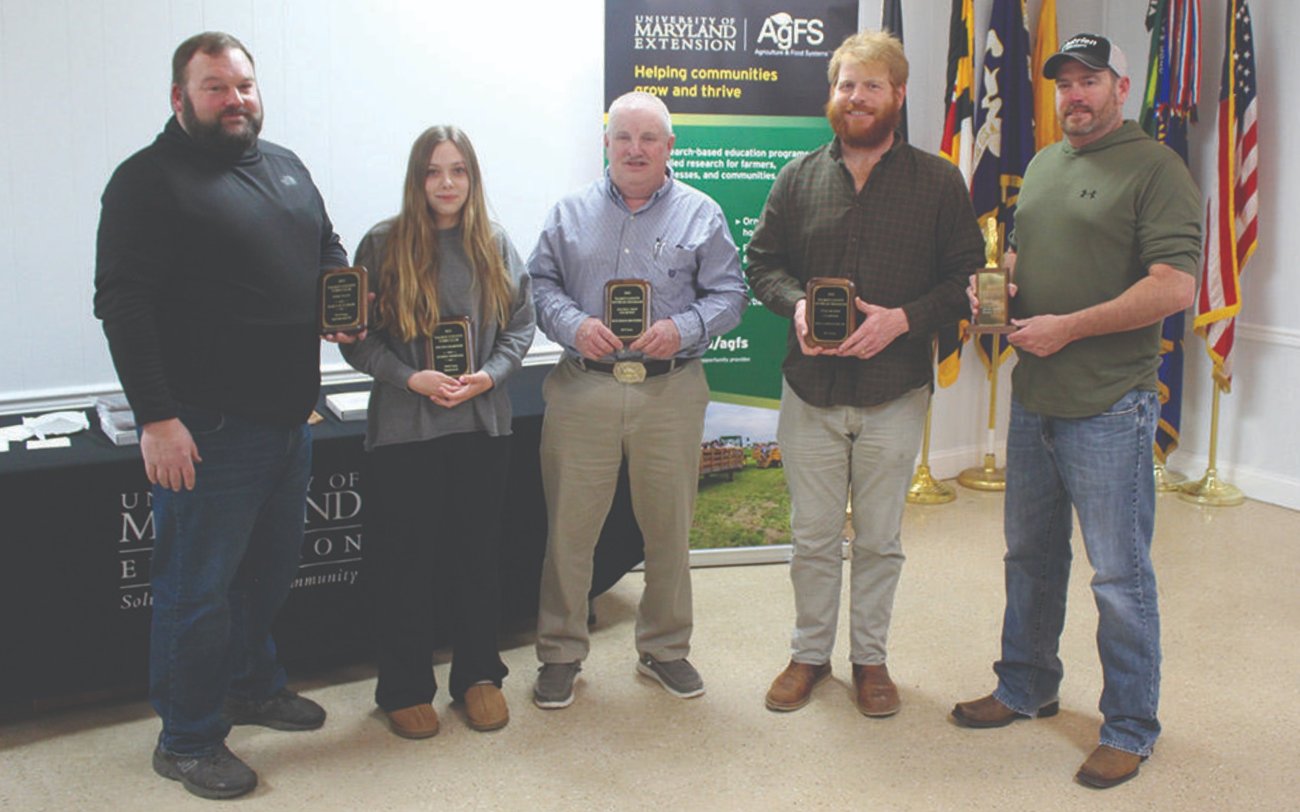
LtR: Darcy Hutchison, Audrey Shortall, Travis Hutchison, Kyle Gannon, David Denny |
|
|
|
For the 5th year in a row, David Denny clinched the top spot in the 72nd annual Talbot Corn Club yield contest -- and set a new record -- with a whopping 287.86 bushels per acre! He attributes his wins to 3 things: nitrogen, Mother Nature, and a good stand. The nitrogen was especially effective thanks to split applications spread over six passes during the growing season. Other winners include: Paul T. Swann in 2nd place (corn), Darcy Hutchison in 3rd place (corn), Audrey Shortall in the youth division, Hutchison Brothers for double crop soybeans, and Cecil Gannon & Sons for full season soybeans. |
|
|
|
|
|
Farm Spotlight
Wittman Wharf Seafood |
|
|
 |
|
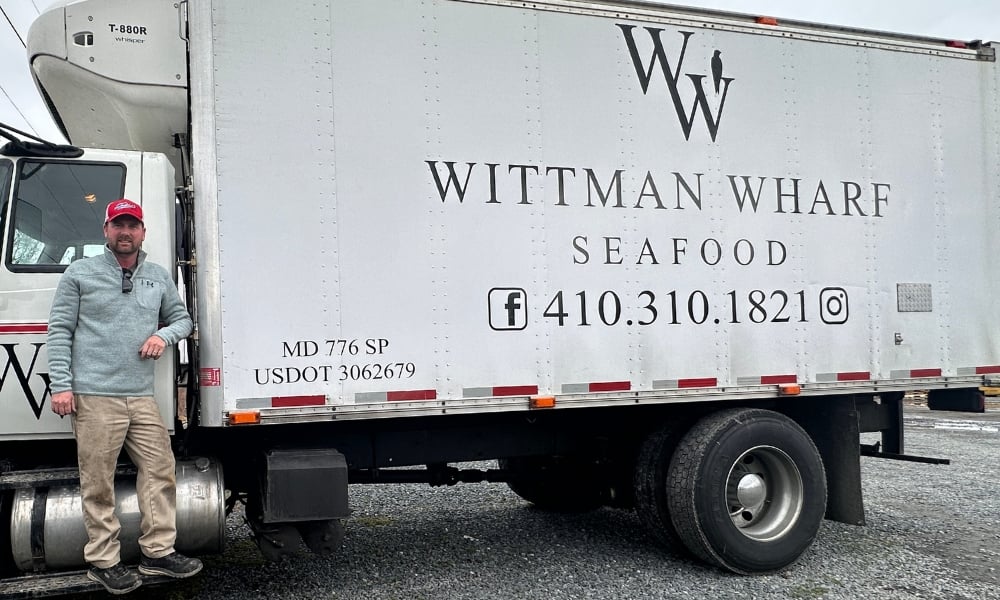
Owner Nick Hargrove on a Wittman Wharf Truck |
|
|
|
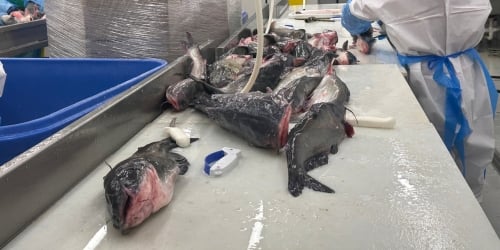
Wittman Wharf Seafood isn't your typical farm: it's a USDA certified aquaculture processing plant. In the past, their focus has been blue crab and spat-on-shell oysters. However, the Chesapeake's ecosystem has a concerning problem affecting the seafood industry: catfish. Blue Catfish are an invasive species that grow up to 100 pounds and gobble up anything that moves: crabs, shrimp, other fish, turtles, and even birds! They also eat plants where other fish lay eggs, creating untold damage to our native populations. With an estimated 850 million pounds of invasive catfish out in the bay, near constant fishing is required to keep pace -- and even that isn't enough. |
|
|
 |
|
Blue Catfish Awaiting Processing |
|
 |
|
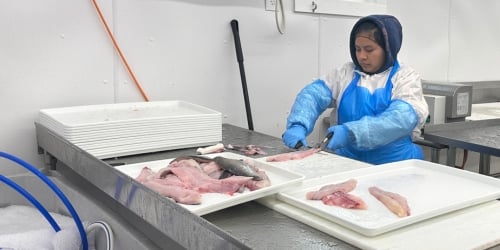
Employee Filleting Catfish |
|
|
|
Since they're invasive (and delicious), Nick has shifted his focus to catching and processing Blue Catfish. Since they can be frozen and shipped -- staying fresh for much longer than crab -- new markets have opened up for Wittman Wharf. Parts of the South and Midwest are huge fans of catfish, as are folks abroad -- especially in Asia. Beyond grocery store or restaurant customers, catfish can make great, affordable protein for school systems, correctional facilities, and food banks. Nick is working in developing convenient foods such as catfish cakes and catfish sticks for these purposes. Wittman Wharf is simultaneously providing food to hungry people, providing jobs to local watermen and processors, and helping remove an invasive species from the bay. It's a win-win-win, so next time you're out for dinner: ask for the Blue Catfish! |
|
|
 |
|
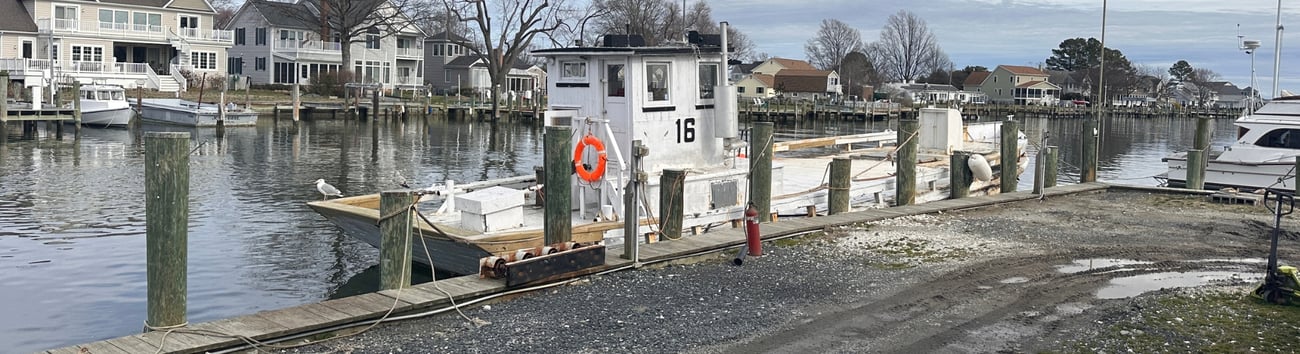
Knapps Narrows - Behind the Plant |
|
|
|
|
|
Nick, thank you for taking the time to connect with us. We are grateful you have allowed us to learn and share the story of Wittman Wharf Seafood.
Thank you for being a loyal PepUp customer! |
|
|
|
Find Wittman Wharf Seafood Online: |
|
|
|
|
|
|
|
KEEP UP WITH THE TRI GAS FAMILY OF COMPANIES ON SOCIAL MEDIA! |
|
|
|
|
|
|
|
|